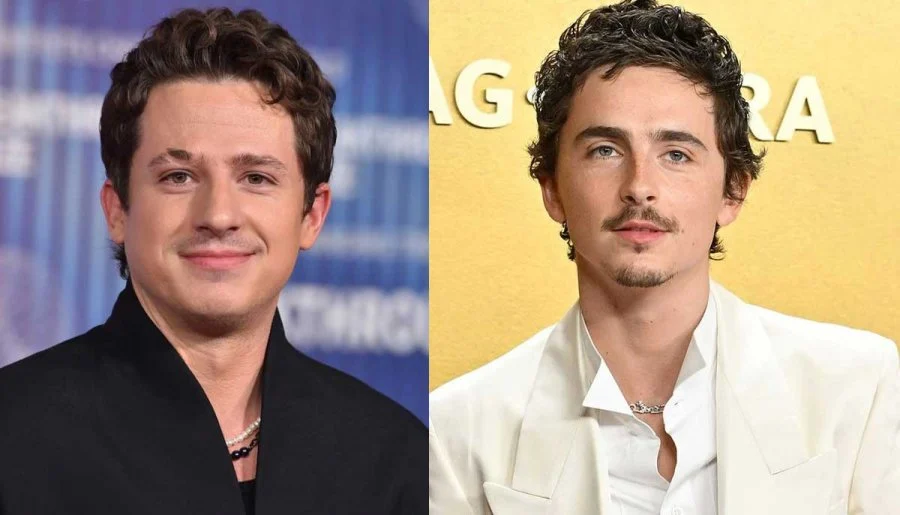
Singer and songwriter Charlie Puth has joined the growing list of celebrities responding to Timothée Chalamet’s controversial remarks about opera and ballet, describing the comments as insensitive to traditional art forms.
The debate began after Chalamet made statements during a public discussion with actor Matthew McConaughey while promoting his film Marty Supreme. During the conversation, Chalamet said he had no interest in working in art forms like ballet or opera, suggesting that “no one cares about this anymore,” though he added that he still respected the artists involved.
His remarks quickly sparked criticism from artists and performers in the classical arts community, many of whom argued that the comments underestimated the cultural significance of these long-standing traditions.
Puth weighed in on the controversy through social media, where he defended the value of classical art forms. The musician stressed that even if opera and ballet are not always at the peak of mainstream popularity, they continue to influence modern music and film.
According to Puth, contemporary music would not exist in its current form without the foundations laid by earlier artistic traditions. He explained that elements of historic art forms still appear in modern entertainment and continue to shape the creative industry today.
The singer’s remarks received mixed reactions online. Some fans agreed with his perspective and praised him for defending classical art forms, while others argued that he was simply trying to insert himself into the controversy.
The controversy has attracted responses from several other public figures, including opera performers, dancers, and actors. Many have emphasized that although audiences for these art forms may be smaller than those for mainstream entertainment, their cultural influence remains significant and continues to inspire modern artists.
As the debate continues, the situation has sparked broader conversations about the relevance of traditional art forms in modern entertainment and how they continue to shape contemporary music, film, and performance.